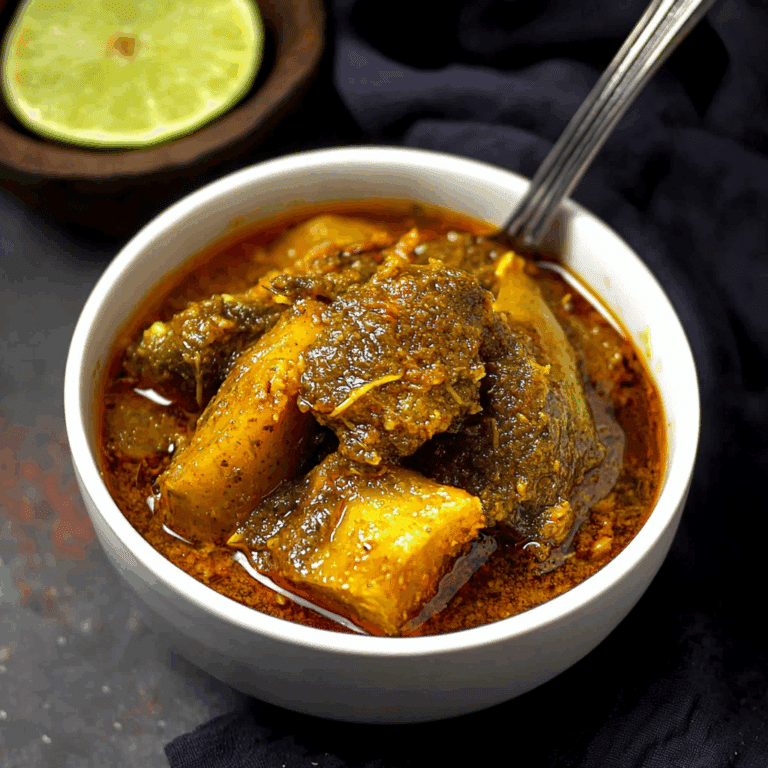
Caramelized Onions

Caramelized Onions are a magical addition to almost any dish, transforming the humble onion into a sweet, golden treasure. With just a few simple ingredients and a bit of patience, you can learn the secret to sweet, golden caramelized onions with this easy step-by-step guide for rich flavor in any dish. Their deep, complex flavor will elevate soups, sandwiches, pizzas, and more—making every bite truly unforgettable.
Why You’ll Love This Recipe
- Deep, rich flavor: Slowly cooking the onions brings out their natural sweetness in a way raw onions never can.
- Simple ingredients: Only onions, a bit of fat, and a pinch of salt are needed to create layers of flavor.
- Versatile addition: Caramelized onions complement a huge range of dishes from burgers to pasta and even savory tarts.
- Easy to master: With just a little patience and this guide, anyone can make perfect caramelized onions every time.
- Customizable flavor: You can tweak cooking time, fat choice, or add herbs for your personal twist.
Ingredients You’ll Need
Getting started with caramelized onions is incredibly straightforward. Each ingredient plays a critical role in creating the ideal balance of sweet, tender, and golden-brown goodness.
- Yellow onions: These are preferred for their natural sweetness and balance of mild and sharp flavors.
- Butter or oil: Adds richness and helps the onions cook evenly without burning; you can use olive oil, butter, or a mix.
- Salt: Enhances the onions’ natural sweetness and draws out moisture for faster caramelization.
- Optional sugar: A tiny pinch can speed caramelization but is not necessary if cooking time is sufficient.
- Optional flavor boosters: Vinegar, wine, or fresh herbs like thyme add extra depth when desired.
Variations for Caramelized Onions
Caramelized onions are easy to personalize based on what you like or have on hand. Feel free to experiment with these variations to make the recipe your own.
- Sweet and tangy: Add a splash of balsamic vinegar near the end for a beautiful sweet-tart finish.
- Herbed infusion: Toss in fresh thyme or rosemary halfway through cooking for an herby aroma.
- Spicy kick: Stir in a pinch of chili flakes or smoked paprika for warmth and complexity.
- Caramelized shallots: Swap yellow onions with shallots for a milder, sweeter version.
- Vegan option: Use olive oil instead of butter to keep it plant-based without sacrificing flavor.

How to Make Caramelized Onions
Step 1: Prepare the Onions
Start by peeling your onions and slicing them thinly and evenly. Uniform slices ensure they cook at the same rate, preventing some pieces from burning while others remain raw.
Step 2: Heat Your Pan
Choose a wide skillet or sauté pan and warm your butter or oil over medium-low heat. This gentle heat is key to slowly coaxing out the sweetness without scorching the onions.
Step 3: Add the Onions and Salt
Toss the sliced onions into the warmed fat and sprinkle lightly with salt. The salt helps draw moisture out, creating the perfect environment for caramelization.
Step 4: Cook Low and Slow
Let the onions cook uncovered for 30 to 45 minutes, stirring every few minutes to prevent sticking or burning. Don’t rush this process—the slow melting of sugars is the heart of great caramelized onions.
Step 5: Optional Additions
Once the onions are soft and golden, add any extras like a splash of balsamic vinegar or herbs if using. Cook for an additional 2 to 3 minutes to meld the flavors.
Step 6: Finish and Serve
Remove from heat and let your caramelized onions cool slightly—they’re now ready to add depth and sweetness to your favorite meals or to store for later use.
Pro Tips for Making Caramelized Onions
- Low heat patience: Cooking onions too quickly will scorch them; always use medium-low heat for slow, even caramelization.
- Choose the right pan: A wide, heavy-bottomed skillet distributes heat evenly and allows onions space to brown.
- Don’t overcrowd: Give onions room to cook; too many will steam instead of caramelize.
- Stir regularly: Every few minutes keeps onions from sticking or burning, ensuring even cooking.
- Use a pinch of sugar carefully: Only add if impatient for color, as too much can make onions cloying.
- Deglaze if needed: Use a splash of water or wine to lift the flavorful browned bits off the pan during cooking.
How to Serve Caramelized Onions
Garnishes
Use caramelized onions as a rich, flavorful garnish on burgers, grilled meats, or roasted vegetables to add sweetness and depth to every bite.
Side Dishes
Add caramelized onions to mashed potatoes, quinoa bowls, or as a topping on savory tarts and flatbreads to enhance the dish’s complexity naturally.
Creative Ways to Present
Mix caramelized onions into dips, blend with goat cheese for creamy spreads, or layer in sandwiches and wraps for an extraordinary flavor boost.
Make Ahead and Storage
Storing Leftovers
Caramelized onions keep well in an airtight container in the refrigerator for up to a week, making them a convenient flavor booster on busy days.
Freezing
You can freeze caramelized onions in portion-sized bags for up to three months. Thaw overnight in the fridge or gently reheat before serving.
Reheating
Warm caramelized onions gently in a skillet over low heat or microwave in short bursts to avoid drying them out; add a drop of water or oil if needed to refresh their softness.
FAQs
What’s the best type of onion for caramelizing?
Yellow onions are the best choice because they have the perfect balance of natural sugars and flavor that develop beautifully during caramelization.
How long does it take to caramelize onions properly?
The slow cooking process usually takes between 30 to 45 minutes on medium-low heat, allowing the onions to become deeply browned and sweet.
Can I speed up caramelizing onions?
While you can increase heat or add a pinch of sugar to speed the process, this risks burning or uneven cooking, so slow and steady is always better.
Are caramelized onions healthy?
Caramelized onions retain many nutrients and provide antioxidants, but be mindful of added fats; using moderate amounts keeps them healthful and delicious.
How do caramelized onions differ from sautéed onions?
Caramelized onions are cooked slowly until golden and sweet, while sautéed onions are cooked quickly over higher heat and tend to be firmer and less sweet.
Final Thoughts
Caramelized onions take time but are so worth the wait. Once you master this recipe, you’ll have a delicious, versatile ingredient that brightens all your favorite meals with sweet, golden goodness. Dive in, savor the aroma, and enjoy the magic that only perfectly caramelized onions can bring to your kitchen!
Related Posts
PrintCaramelized Onions

Caramelized Onions transform simple onions into sweet, golden, deeply flavored treasures through slow cooking. This easy, versatile recipe enhances a variety of dishes from burgers and pizzas to soups and savory tarts with rich, complex sweetness and tender texture.
- Prep Time: 10 minutes
- Cook Time: 35 to 45 minutes
- Total Time: 45 to 55 minutes
- Yield: About 2 cups caramelized onions 1x
- Category: Appetizers
- Method: Sautéing
- Diet: Gluten Free
Ingredients
Main Ingredients
- 3 to 4 large yellow onions (preferred for natural sweetness and balanced flavor)
- 2 tablespoons butter or olive oil (or a mix, for richness and even cooking)
- 1/2 teaspoon salt (to enhance sweetness and draw out moisture)
Optional Ingredients
- A pinch of sugar (to speed up caramelization, if desired)
- 1 tablespoon balsamic vinegar or wine (for sweet-tart depth, added near end)
- Fresh herbs like thyme or rosemary (toss in halfway through cooking for aroma)
- Pinch of chili flakes or smoked paprika (for a spicy kick)
Instructions
- Prepare the Onions: Peel the onions and slice them thinly and evenly to ensure uniform cooking and prevent burning or undercooked pieces.
- Heat Your Pan: Warm a wide skillet or sauté pan over medium-low heat and melt butter or heat oil gently to provide even, slow cooking.
- Add the Onions and Salt: Toss the sliced onions into the pan and sprinkle with salt; this helps draw moisture out and sets the stage for caramelization.
- Cook Low and Slow: Let the onions cook uncovered for 30 to 45 minutes, stirring every few minutes to prevent sticking or burning while allowing natural sugars to slowly develop their sweet, golden color.
- Optional Additions: Once the onions are soft and golden, add any optional flavor boosters like balsamic vinegar, wine, herbs, or spices and cook for an additional 2 to 3 minutes to blend the flavors.
- Finish and Serve: Remove from heat and let the caramelized onions cool slightly. Use immediately to enhance your dishes or store in an airtight container for future use.
Notes
- Use medium-low heat to avoid scorching; patience is key for deep caramelization.
- A wide, heavy-bottomed skillet provides even heat distribution and room for onions to brown.
- Do not overcrowd the pan to prevent steaming instead of caramelizing.
- Stir onions regularly every few minutes for even cooking and to prevent burning.
- Add a pinch of sugar only if you want to speed the process; too much can make onions overly sweet.
- Deglaze the pan with a splash of water or wine if brown bits start to stick.
- Yellow onions are recommended for their perfect sugar content and balanced flavor.
- Caramelized onions keep in the refrigerator for up to one week and can be frozen for up to three months.
- Reheat gently using low heat on the stovetop or short microwave bursts with added water or oil to maintain softness.
Nutrition
- Serving Size: 2 tablespoons
- Calories: 40
- Sugar: 4g
- Sodium: 150mg
- Fat: 3g
- Saturated Fat: 1.5g
- Unsaturated Fat: 1.5g
- Trans Fat: 0g
- Carbohydrates: 5g
- Fiber: 1g
- Protein: 0.5g
- Cholesterol: 5mg
Keywords: caramelized onions, onions, sweet onions, side dish, appetizer, versatile recipe, slow cooking, savory, vegan option