Prime Rib
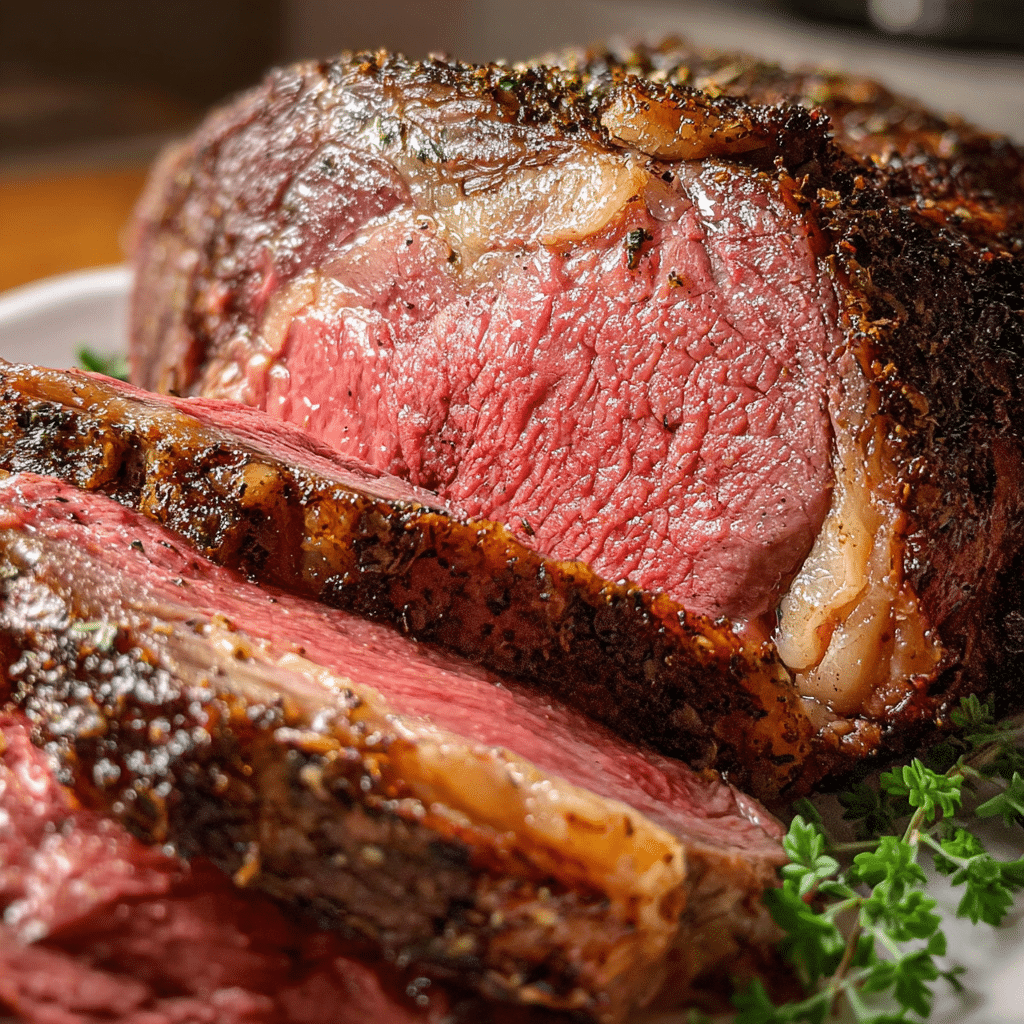
If you’re craving a meal that’s both indulgent and impressive, learning how to cook Prime Rib perfectly is a must-have skill in your kitchen. This delicious, juicy cut of beef offers rich flavor and tender texture that’s hard to beat. Whether you’re celebrating a special occasion or just want to treat yourself, our guide will walk you through every step needed to achieve mouthwatering Prime Rib every time you roast.
Why You’ll Love This Recipe
- Unbeatable Juiciness: This method locks in moisture so your Prime Rib stays succulent from first bite to last.
- Rich, Deep Flavor: Slow roasting enhances the natural beefiness with a beautifully caramelized crust.
- Simple Ingredients: No need for complicated sauces or marinades—just quality beef and basic seasonings.
- Perfect for Entertaining: Impress guests with a show-stopping roast that looks as fabulous as it tastes.
- Flexible Cooking Times: Adjust roasting time easily based on the size of your roast without sacrificing quality.
Ingredients You’ll Need
The beauty of Prime Rib lies in its simplicity. Each ingredient has a distinct role: enhancing juicy tenderness, boosting flavor, or creating that irresistible crust. Here’s what you’ll gather for unforgettable results.
- Prime Rib Roast: Choose a well-marbled cut with a nice fat cap to ensure great flavor and juiciness.
- Sea Salt: Essential for seasoning the beef deeply and helping form the savory crust.
- Freshly Ground Black Pepper: Adds a subtle heat and aromatic touch that complements the beef perfectly.
- Garlic Cloves: Either minced or whole, garlic infuses the rib roast with wonderful, savory depth.
- Fresh Herbs (Rosemary & Thyme): These fragrant herbs add earthiness and an herbaceous brightness to every bite.
- Olive Oil or Butter: Used to help seasonings stick and to contribute to a golden, crispy exterior.
Variations for Prime Rib
Prime Rib is incredibly adaptable, so feel free to tweak the recipe to match your taste buds or dietary preferences. Here are some fun variations to try next time you roast.
- Herb Butter Blend: Mix softened butter with garlic and herbs and spread it under the fat cap for extra richness.
- Spicy Rub: Add smoked paprika, cayenne, and a pinch of brown sugar for a smoky-sweet kick.
- Asian-Inspired: Use a marinade with soy sauce, ginger, and sesame oil for an exciting twist.
- Lower Sodium Option: Substitute salt with garlic powder and ground pepper to reduce salt intake without losing flavor.
- Dry-Aged Experience: If available, use dry-aged Prime Rib for a more concentrated beef flavor and tender texture.

How to Make Prime Rib
Step 1: Preparing the Roast
Start by removing your Prime Rib from the refrigerator at least an hour before cooking to let it reach room temperature. Pat it dry with paper towels—this step is crucial for achieving that perfect crust.
Step 2: Season Generously
Rub olive oil or softened butter all over the roast, then season liberally with sea salt, black pepper, garlic, and herbs. Don’t be shy—this seasoning layer will enhance every bite.
Step 3: Preheat Your Oven
Set your oven to a high temperature between 450°F and 500°F (230°C to 260°C) to start. This blast of heat will sear the outside of the roast and seal in juices.
Step 4: Roast at High Heat
Place the roast bone-side down or fat-side up on a rack in a roasting pan. Roast at high temperature for about 15 to 20 minutes until the exterior is deeply browned.
Step 5: Lower Oven Temperature and Continue Cooking
Reduce the oven temperature to 325°F (160°C) and roast until the internal temperature reaches your desired doneness: 120°F for rare, 130°F for medium-rare, or 140°F for medium. Use a meat thermometer inserted into the thickest part.
Step 6: Rest Your Roast
Remove the roast from the oven and tent it loosely with foil. Let it rest for at least 20 minutes before carving to allow juices to redistribute, ensuring every slice is tender and juicy.
Pro Tips for Making Prime Rib
- Room Temperature Roast: Letting it sit out before cooking ensures even heat distribution.
- Use a Meat Thermometer: Avoid guesswork by checking the internal temperature for perfect doneness.
- Fat Cap Placement: Roast with the fat side up so fat renders and bastes the meat naturally.
- Rest Before Slicing: Cutting too soon causes juices to escape, resulting in a drier roast.
- Don’t Skip the Searing Step: That initial high heat locks in moisture and forms a flavorful crust.
How to Serve Prime Rib
Garnishes
Fresh herbs like rosemary sprigs or thyme add a pop of color and aroma. You can also top with a pat of herb butter for that extra buttery burst.
Side Dishes
Classic sides like creamy horseradish sauce, roasted garlic mashed potatoes, and sautéed green beans complement the richness of Prime Rib beautifully. For something lighter, a crisp arugula salad with lemon vinaigrette offers a refreshing balance.
Creative Ways to Present
Slice the Prime Rib thick and fan the pieces out on a wooden platter layered with fresh herbs. For an elegant touch, drizzle pan juices or red wine reduction sauce over the slices right before serving.
Make Ahead and Storage
Storing Leftovers
Wrap sliced or whole leftover Prime Rib tightly in aluminum foil or airtight containers and refrigerate. It will stay fresh for up to 3-4 days when stored properly.
Freezing
If you want to save part of your roast for longer, wrap leftovers in plastic wrap followed by foil or use vacuum-sealed bags. Frozen Prime Rib can keep well for up to 3 months without significant loss of flavor or texture.
Reheating
The best way to reheat Prime Rib without drying it out is low and slow: place slices in a covered dish with a splash of beef broth, then warm in a 250°F (120°C) oven until heated through. Avoid microwaving as it can make the meat tough.
FAQs
What cut of beef is Prime Rib exactly?
Prime Rib typically refers to a standing rib roast cut from the rib section of beef, prized for its marbling and tenderness.
Can I cook Prime Rib ahead of time?
Yes! You can cook it earlier and gently reheat, or carve it for cold sandwiches, but fresh is always best for juiciest results.
How do I know when my Prime Rib is done?
A reliable meat thermometer is your best tool; aim for 120°F for rare, 130°F for medium-rare, and 140°F for medium.
Should I cover the roast while it cooks?
No, roasting uncovered helps create that delicious crispy crust all over your Prime Rib.
What’s the difference between Prime Rib and Ribeye?
Prime Rib is the whole roast from the rib section, often bone-in, while a ribeye is a single steak cut from that roast.
Final Thoughts
Cooking Prime Rib perfectly is truly within your reach with these simple steps and tips. It’s a rewarding experience that fills your kitchen with irresistible aromas and leaves your guests asking for seconds. Go ahead and give it a try—your next dinner party or special celebration just found its star dish.
Related Posts
- French Onion Pot Roast
- Creamy Sun-Dried Tomato Garlic Chicken
- Sheet Pan Honey Dijon Chicken with Veggies
Prime Rib
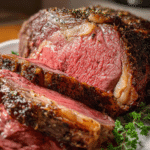
Learn how to cook the perfect Prime Rib roast with this simple yet impressive recipe that delivers unbeatable juiciness, rich flavor, and a crispy caramelized crust. Ideal for special occasions or treating yourself, this guide covers everything from seasoning to roasting and serving.
- Prep Time: 1 hour
- Cook Time: 1 hour 30 minutes to 2 hours (depending on roast size and desired doneness)
- Total Time: 2 hours 30 minutes to 3 hours
- Yield: 6 to 8 servings
- Category: Main Course
- Method: Roasting
- Cuisine: American
- Diet: Gluten Free
Ingredients
Main Ingredients
- Prime Rib Roast (well-marbled with fat cap) – about 4 to 6 pounds
- Sea Salt – generous amount for seasoning
- Freshly Ground Black Pepper – to taste
- Garlic Cloves (minced or whole) – 4 to 6 cloves
- Fresh Herbs (Rosemary and Thyme) – a few sprigs each
- Olive Oil or Butter – 2 to 3 tablespoons for coating the roast
Instructions
- Preparing the Roast: Remove the Prime Rib from the refrigerator at least 1 hour before cooking to bring it to room temperature. Pat the roast dry thoroughly with paper towels to help achieve a perfect crust.
- Season Generously: Rub olive oil or softened butter all over the roast. Then liberally season with sea salt, freshly ground black pepper, minced or whole garlic, and fresh rosemary and thyme sprigs to infuse the flavors.
- Preheat Your Oven: Set the oven to a high temperature between 450°F and 500°F (230°C to 260°C). This will sear the roast to lock in moisture.
- Roast at High Heat: Place the roast bone-side down or fat-side up on a rack in a roasting pan. Roast for 15 to 20 minutes until the exterior develops a deep golden brown crust.
- Lower Oven Temperature and Continue Cooking: Reduce the oven temperature to 325°F (160°C) and continue roasting until the internal temperature reaches your target: 120°F for rare, 130°F for medium-rare, or 140°F for medium. Insert a meat thermometer into the thickest part of the roast to monitor doneness.
- Rest Your Roast: Remove the roast from the oven and loosely tent it with aluminum foil. Let it rest for at least 20 minutes so the juices redistribute, ensuring every slice is tender and juicy before carving.
Notes
- Letting the roast reach room temperature before cooking helps with even heat distribution.
- Always use a reliable meat thermometer to prevent undercooking or overcooking.
- Roast with the fat side up so the melting fat bastes the meat naturally for added flavor and juiciness.
- Allow the roast to rest before slicing to keep the meat moist and flavorful.
- Do not cover the roast while cooking to maintain a crispy crust.
Nutrition
- Serving Size: 6 oz (cooked)
- Calories: 450
- Sugar: 0g
- Sodium: 250mg
- Fat: 33g
- Saturated Fat: 14g
- Unsaturated Fat: 18g
- Trans Fat: 1g
- Carbohydrates: 0g
- Fiber: 0g
- Protein: 36g
- Cholesterol: 120mg
Keywords: Prime Rib, Rib Roast, Beef Roast, Holiday Roast, Special Occasion, Juicy Beef, Roasted Beef